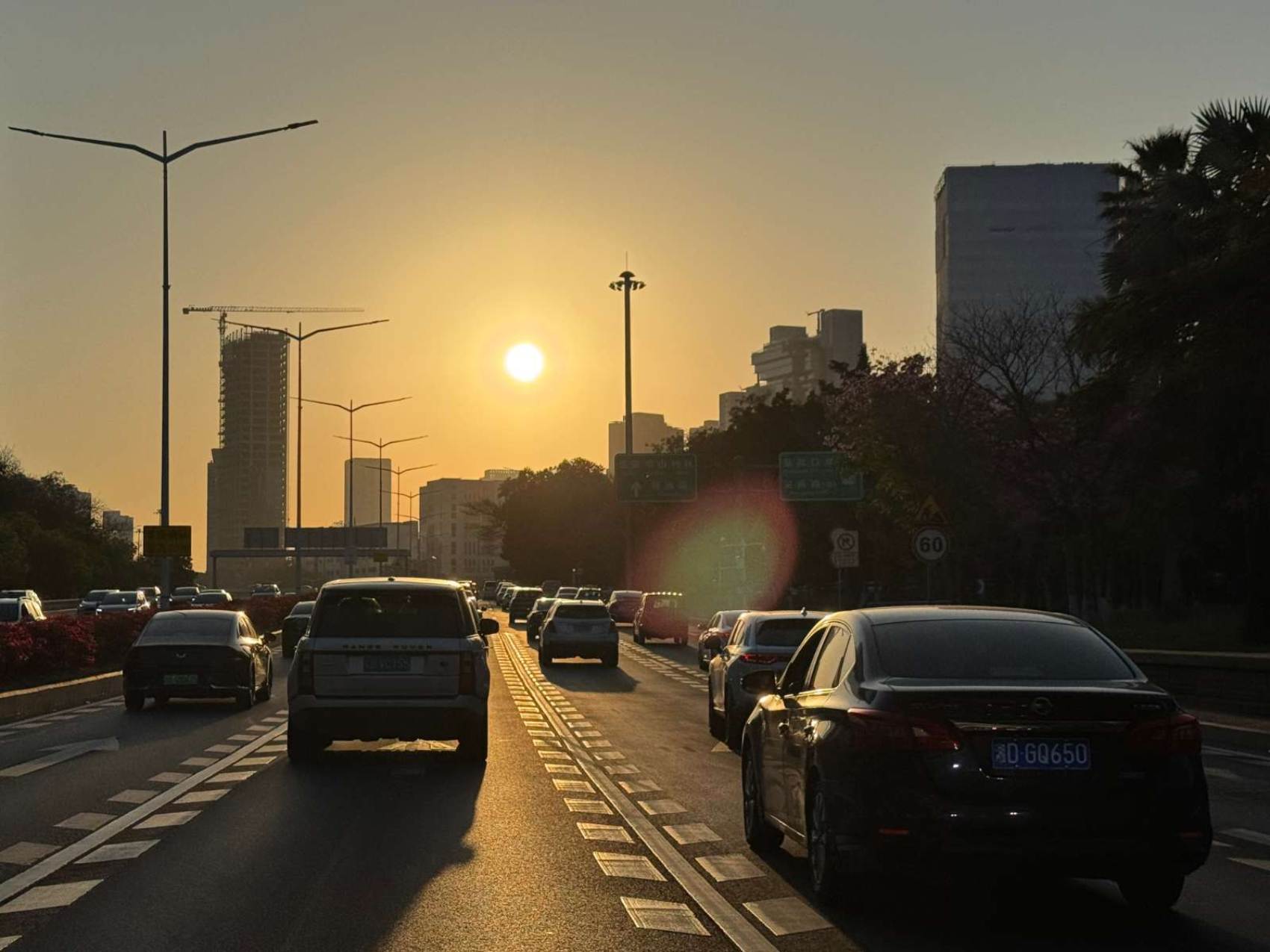
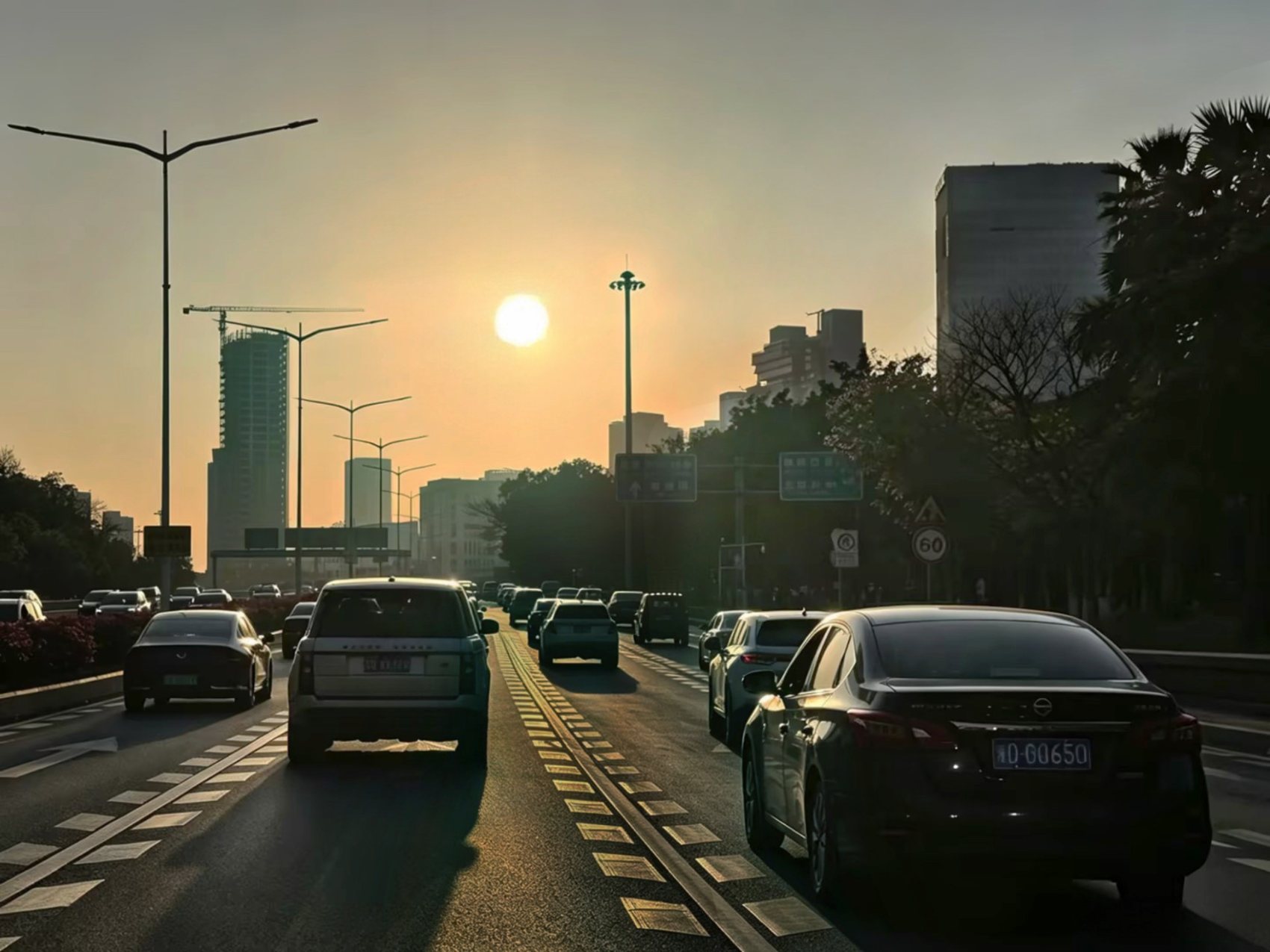
Driving
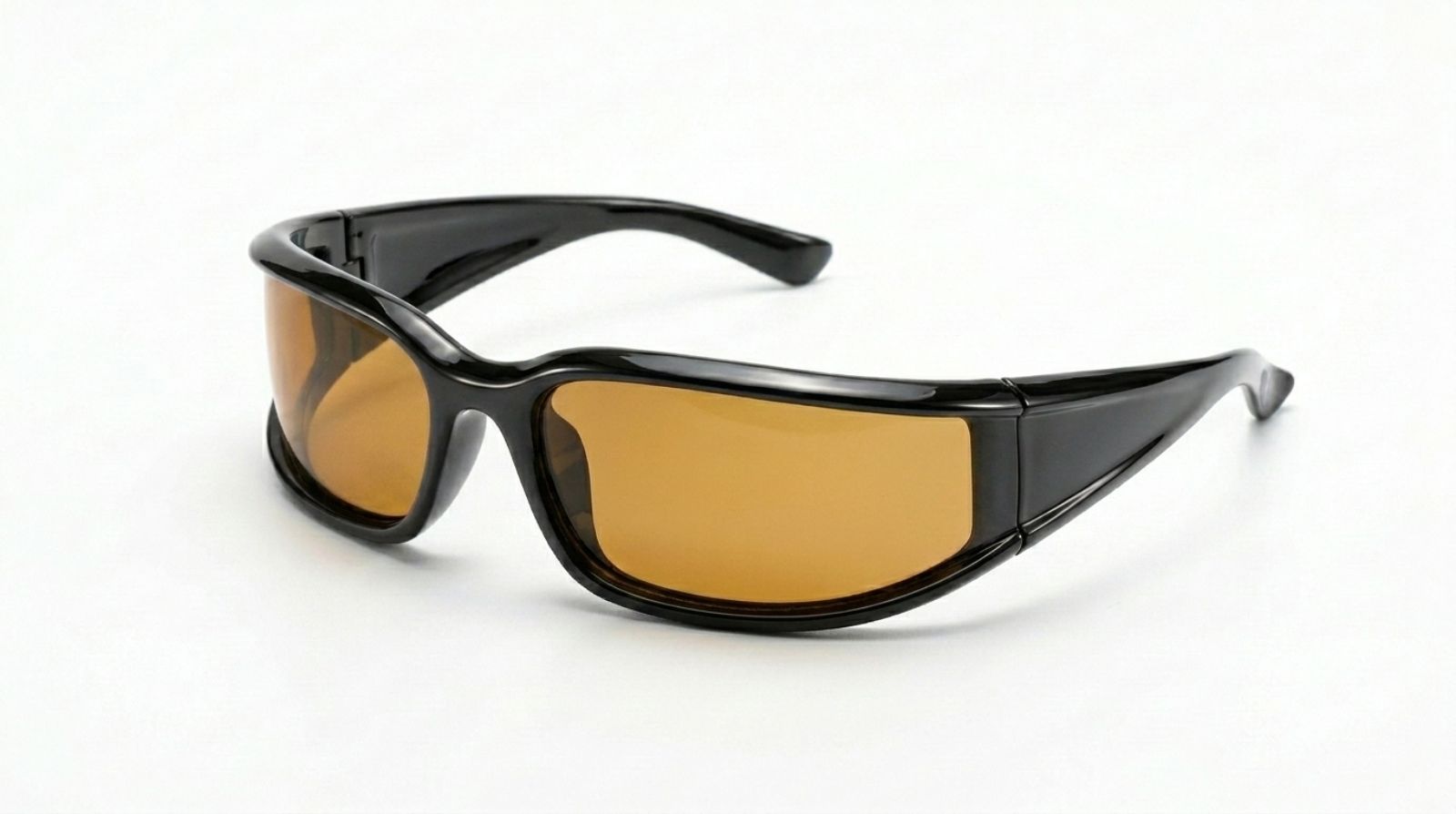
Driving Solution - Example
- CR-39 Soft Polar Lens + Wide Temple Frame
Amber lenses restore layers to grey rain and fog, revealing brake lights ahead. Back-side AR coating eliminates dashboard ghost images on the lens, no refocusing needed when glancing at navigation. Wide temples aren’t just style — they block side-window angled sun and high-speed wind noise interference.
How to choose Driving sunglasses?
Unmatched Clarity: Featuring an Abbe value of 58, offering low chromatic aberration and pristine vision comparable to mineral glass.
Durable & Resistant: Superior resistance to scratches and chemical corrosion compared to standard polycarbonate lenses.
- Daily Commute: Grey-green polarized lenses (Category 2 or 3 light transmission), designed for U.S. Air Force pilots in 1930, balancing eye protection with color fidelity.
- Long-Distance Highways: Amber polarized lenses (Category 2 or 3 light transmission), enhance contrast and reduce fatigue.
- Night/Dusk: Light yellow lenses (Category 0 or 1), improve brightness perception.
** When driving, light transmission must exceed 8% (i.e., Category 4 lenses are prohibited), otherwise traffic signals cannot be recognized, significantly increasing accident risk.
The core difference between driving and sports scenarios lies in static head position + dynamic visual field. Sports goggles prioritize wrap-around fit, while driving goggles emphasize optical precision. The 4-Base design ensures no edge distortion when glancing down at the dashboard (6-Base and above cause LCD digits to “bend”).
Our solution ensures the balance between polarization efficiency and dashboard visibility. Soft Polarization lens reduce 50% of glare and reveals more details without blackening the dashboard.
The physical nature of glare:
- Road glare: Sunlight reflected off asphalt/water/front vehicle hoods creates horizontally polarized light.
- Polarization principle: Polarized lenses act like fences, allowing only specific wave directions to pass.
Anti-reflective coating is an essential requirement for driving sunglasses. While ordinary sunglasses focus solely on front-surface aesthetics, driving sunglasses must prioritize rear-surface functionality. At 100 km/h, a mere 0.3-second visual disruption translates to 8 meters of blind driving distance. Our AR coating reduces reflection interference below the physiological perception threshold.
Wide temples compensate for the lack of side light protection, forming a “front plane + side wrap” combination.
Wide Temple Arms offer:
- Side Light Blocking: Temple width increases for enhanced coverage.
- Wind Noise Reduction: Improved head fit minimizes airflow noise, ensuring greater comfort during long drives.
- Stability: Wider contact surface distributes pressure evenly, while spring hinges adapt to head width.

Driving | zero-delay clarity and zero-distraction safety