
TAC
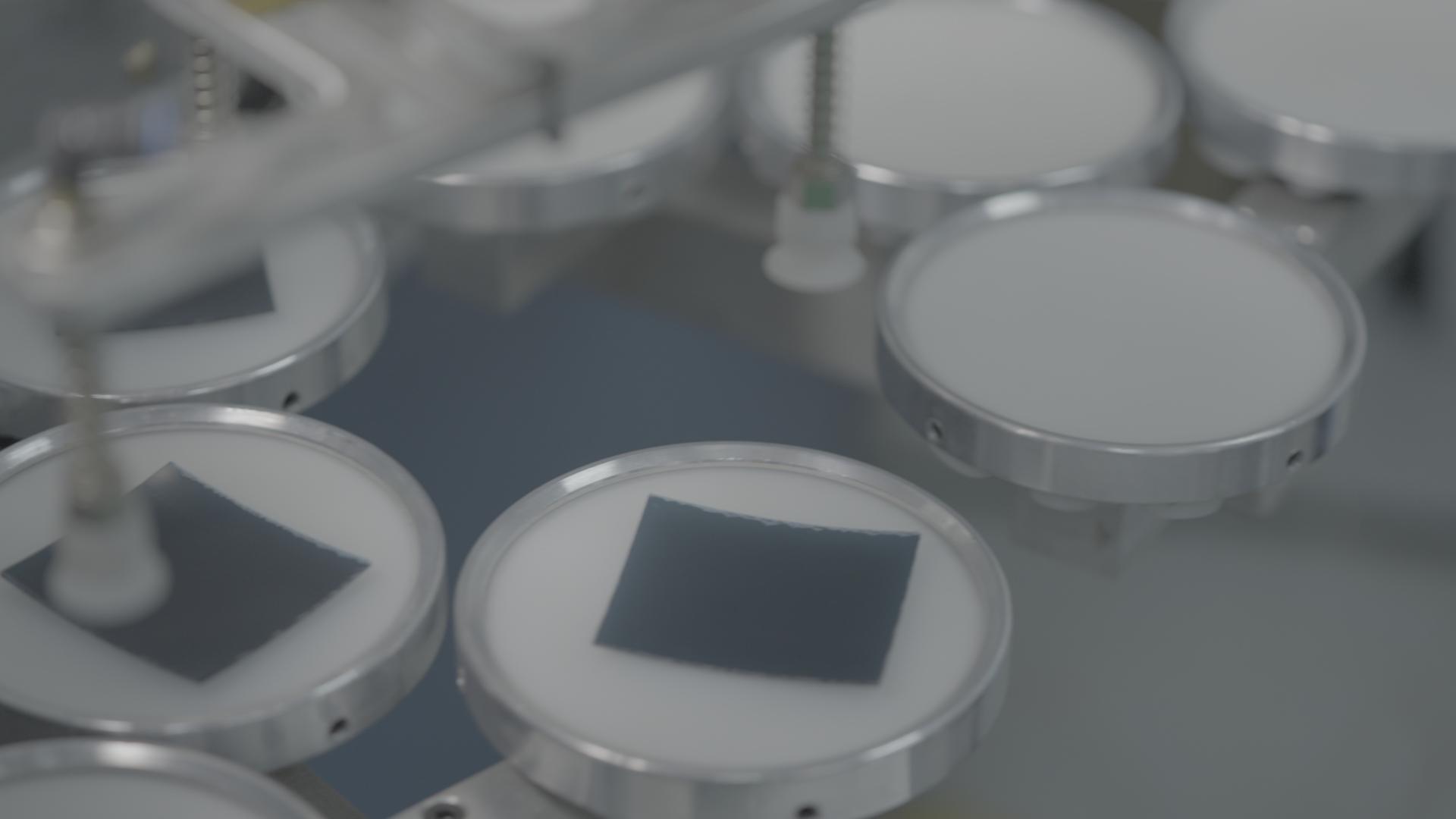
TAC (Triacetate Cellulose) is a thermoplastic polymer derived from natural cellulose through acetylation modification, originally used in photographic film and LCD polarizing films. As an optical lens material, TAC is renowned for its ultimate slimness and superior polarizing performance—the most commonly used polarized lens substrate. It can be manufactured into ultra-thin polarized sheets of just 0.7-1.6mm. It is the economical and practical choice for fishing, skiing, and other glare-reduction scenarios. TAC typically appears as polarized film, laminated with other materials through bonding processes.
Scene-Specific Suitability
_

Fishing/water sports
Eliminates water surface reflective glare; reveals fish and underwater structures

Driving
Reduces road reflection and oncoming glare; enhances safety in rain/night conditions

Daily polarized sunglasses
Composite with CR-39 or PC for economical glare protection
Detailed Characteristics
_
TAC is a semi-synthetic polymer.
- Superior polarization: Up to 99% polarization efficiency, effectively filtering horizontal reflective glare
- Ultimate slimness: Standard thickness 0.7-1.6mm, can be curved to fit surfaces; extremely light finished lenses
- Optical clarity: Approximately 40-45% light transmittance (after polarization), visually soft and comfortable
- Chemical stability: Resistant to water, oil, and common solvents; vulnerable to strong acids and alkalis
- Temperature sensitivity: Operating range -10°C to +60°C
Origin & Manufacturing
_
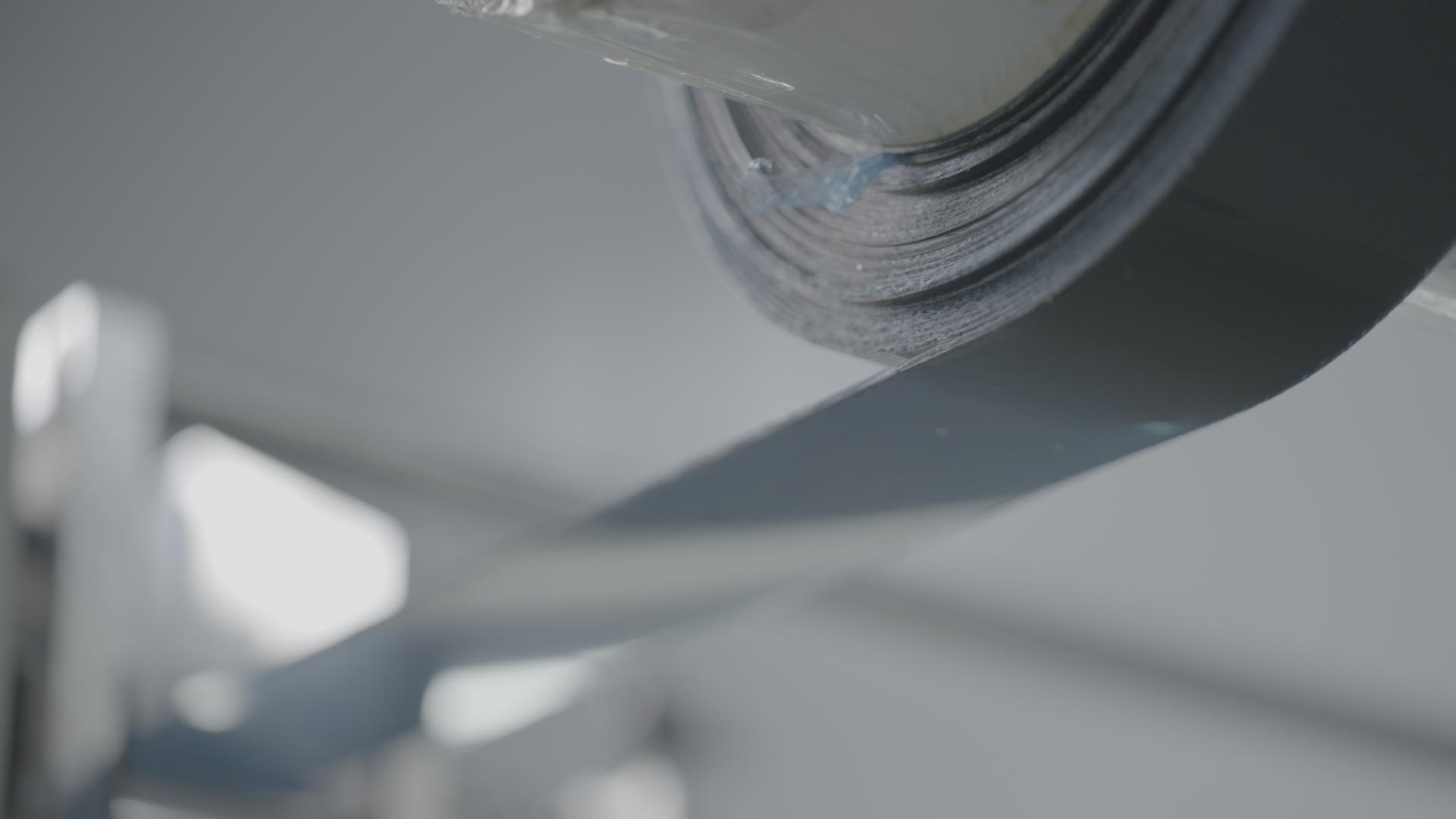
TAC originated in the early 1900s photographic film industry, entering polarized sunglasses in the 1960s. Its manufacturing employs casting and stretching orientation:
- Acetylation reaction: Cellulose reacts with acetic anhydride to form triacetate cellulose
- Casting: Solution cast onto stainless steel belts, dried to form base film
- Iodine staining: Immersed in iodine solution; iodine molecules align along cellulose chains
- Stretching orientation: Unidirectional stretching; iodine chain alignment creates polarization
Comparative Analysis
_
TAC’s core advantage is its unique positioning of polarization performance, slimness, and cost-effectiveness—the only material with inherent 99% polarization efficiency manufacturable into ultra-thin sheets.