
CR-39 (Resin)
CR-39 (Columbia Resin 39), chemically known as Allyl Diglycol Carbonate, was developed by Columbia Chemicals in the 1940s—the oldest resin material in optical lenses. As the “gold standard” of the eyewear industry, CR-39 is renowned for exceptional optical clarity, outstanding color performance, and easy tintability. Though its density (1.32g/cm³) is slightly higher than nylon, its high Abbe number of 58 ensures minimal chromatic aberration, delivering near-perfect visual quality – the preferred choice for optical excellence and fashion-forward colors.
Scene-Specific Suitability
_

Fashion styling
Rich tint options to match personal style; Clear vision reduces eye fatigue; gradient tints adapt to indoor-outdoor transitions

Driving
High Abbe number reduces glare dispersion; polarized tints enhance driving safety

Reading/office work
Low dispersion ideal for prolonged near-vision tasks; Classic appearance with optical quality projecting professionalism
Detailed Characteristics
_
CR-39 is a thermosetting resin formed through cast polymerization. Its core characteristics include:
- Superior optical performance: Abbe number 58 (among the highest in the industry), minimal chromatic aberration, no rainbow fringing at lens edges
- Color performance: Open molecular structure readily absorbs dyes; smooth gradient tinting effects
- Surface hardness: Naturally higher hardness (~4-5H), more scratch-resistant than PC and nylon
- Chemical stability: Resistant to common solvents and household chemicals; avoid strong acids and alkalis
- Impact resistance: Good, meets FDA drop-ball test standards, though inferior to PC and TR90
- Workability: Comparatively easy to cut, edge, and polish; suitable for various frame types
Origin & Manufacturing
_
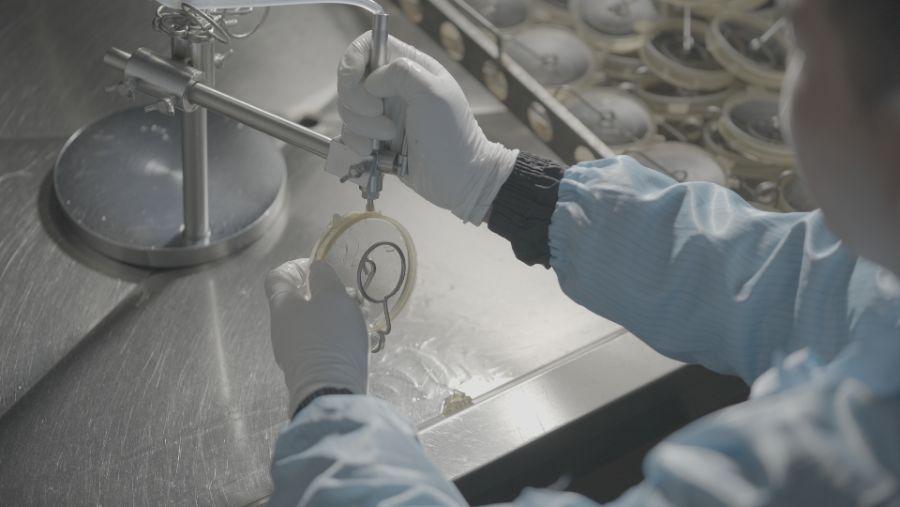
CR-39 originated from a 1940s U.S. military research project at Columbia Chemicals, initially used for aircraft canopies. Its manufacturing employs cast polymerization:
- Liquid monomer preparation: Allyl diglycol carbonate monomer mixed with initiator
- Precision casting: Poured into glass molds with thickness controlled to 0.1mm precision
- Temperature-controlled curing: 20-40 hours of gradient heating for polymerization, eliminating internal stress
- Demolding inspection: Automatic demolding followed by optical and cosmetic quality checks

Comparative Analysis
_
CR-39’s core advantage is the perfect balance of optical quality and color performance — Abbe number approaching glass but safer and lighter, with tinting effects far surpassing other resins. The ideal choice for users prioritizing visual quality and fashion colors.