
PC
PC (Polycarbonate) is a high-performance thermoplastic polymer simultaneously developed in the 1950s by Bayer and General Electric, originally used for bulletproof glass and spacecraft windows. As an optical lens material, PC is renowned for its ultimate impact resistance and inherent UV protection — the only material that simultaneously satisfies the three key demands of “lightweight + safety + protection.” With a density of 1.20g/cm³, slightly higher than TR90, its impact strength exceeds standard resin by over 10 times, making it the premier choice for children’s eyewear, sports goggles, and safety protection glasses.
Scene-Specific Suitability
_

Sports goggles
Skiing, cycling or extreme sports — protection against unpredictable/foreign object impacts

Children's eyewear
Drop and shatter resistant; protects active children; meets international child safety standards
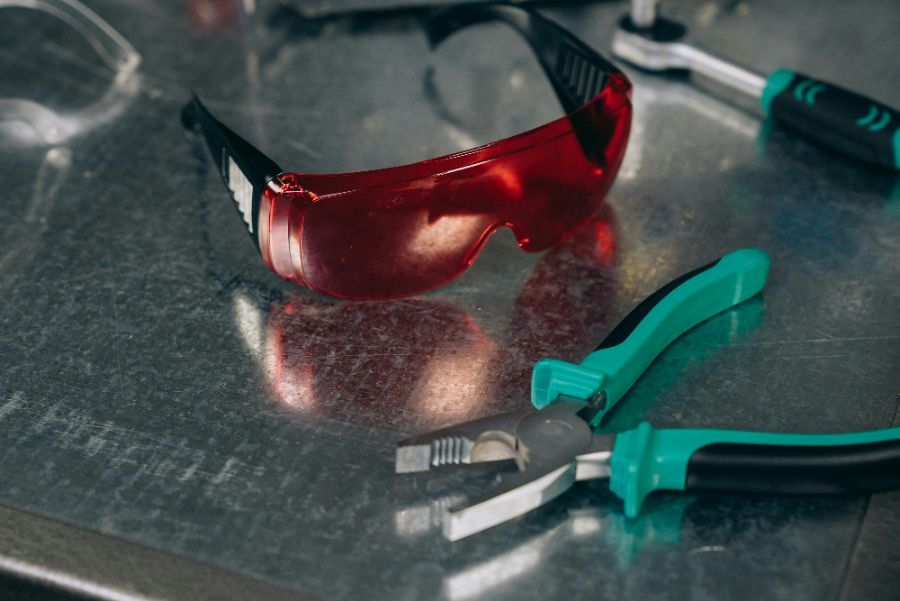
Industrial safety
Machining, construction, laboratory protection; meets ANSI Z87.1 safety certification
Detailed Characteristics
_
PC is an amorphous thermoplastic polymer with carbonate groups in its molecular structure. Its core characteristics include:
- Ultimate impact resistance: Drop-ball test withstands steel balls from 127cm height (CR-39 only 50cm), commonly called “bulletproof plastic”
- Inherent UV protection: 100% blocks UVA and UVB (up to 400nm) without additional coating
- Slim profile: Refractive index 1.586, 30-40% thinner than CR-39, ideal for high prescriptions
- Temperature adaptability: Operating range -100°C to +135°C, stable performance in extreme environments
- Optical transparency: 89-91% light transmittance, but Abbe number only 30 — possible slight chromatic aberration at lens edges
- Surface properties: Naturally soft surface, hard coating absolutely required
Origin & Manufacturing
_
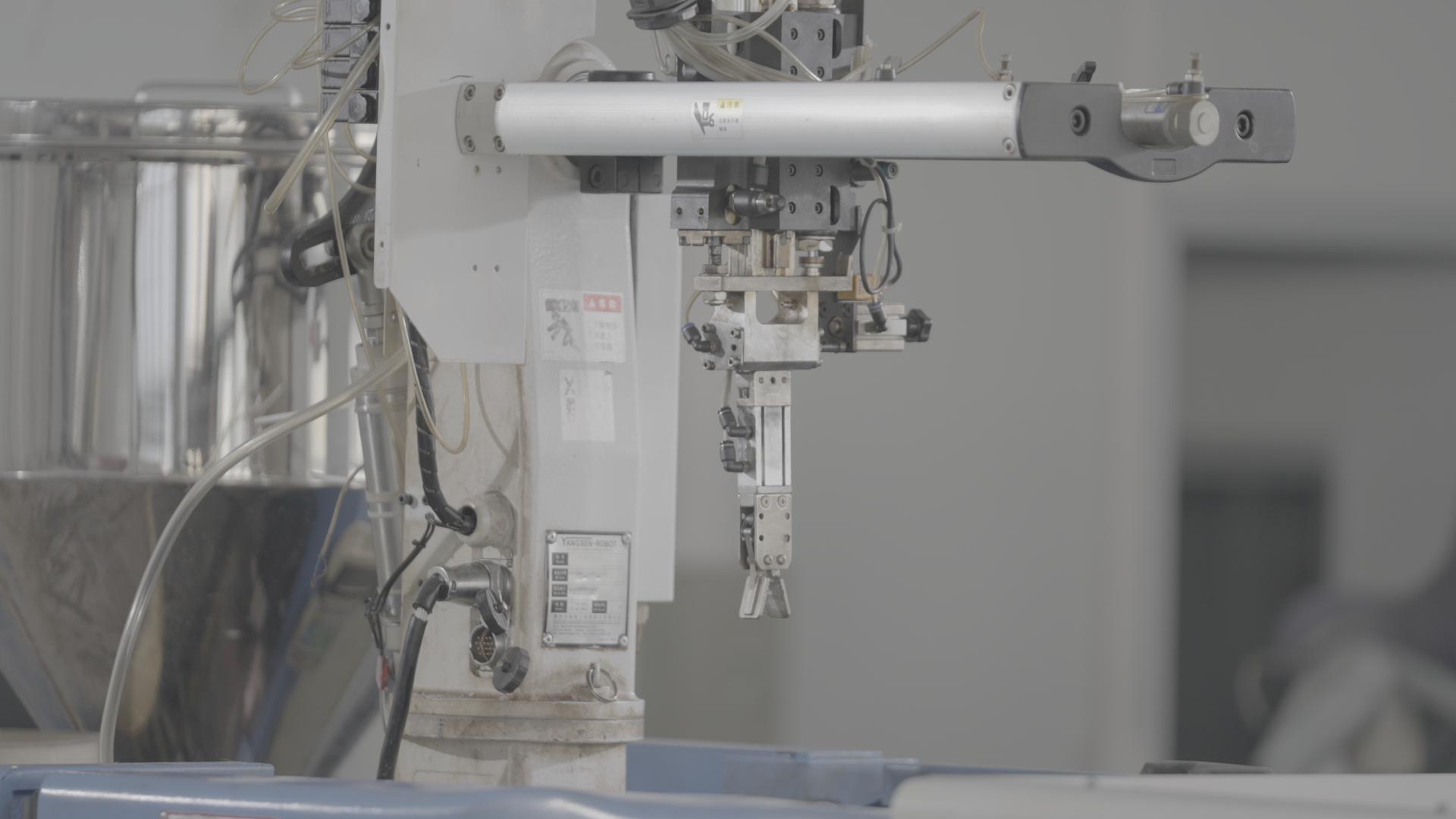
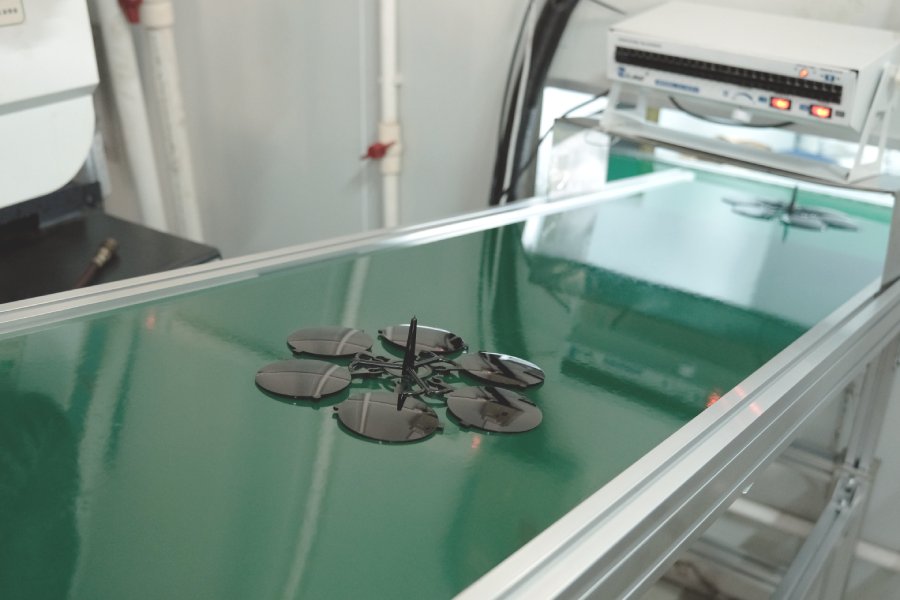
PC emerged from independent 1953 research at Bayer’s German labs and 1955 at General Electric’s U.S. labs, entering aerospace applications in the 1960s. Eyeglass lens production employs injection molding:
- Drying: PC pellets dried at 120°C for 3-4 hours, moisture content <0.02%
- High-temp injection: Melting at 280-320°C, mold temperature 80-120°C
- Precision forming: Ideal for mass-producing standard prescription lenses with high optical consistency
- Heat bending: Can be thermoformed, suitable for high-base-curve sports frames
Comparative Analysis
_
PC’s core advantage is the unique combination of safety protection and slim design—inherent full UV protection + high-index slimness, irreplaceable for safety-sensitive scenarios.